

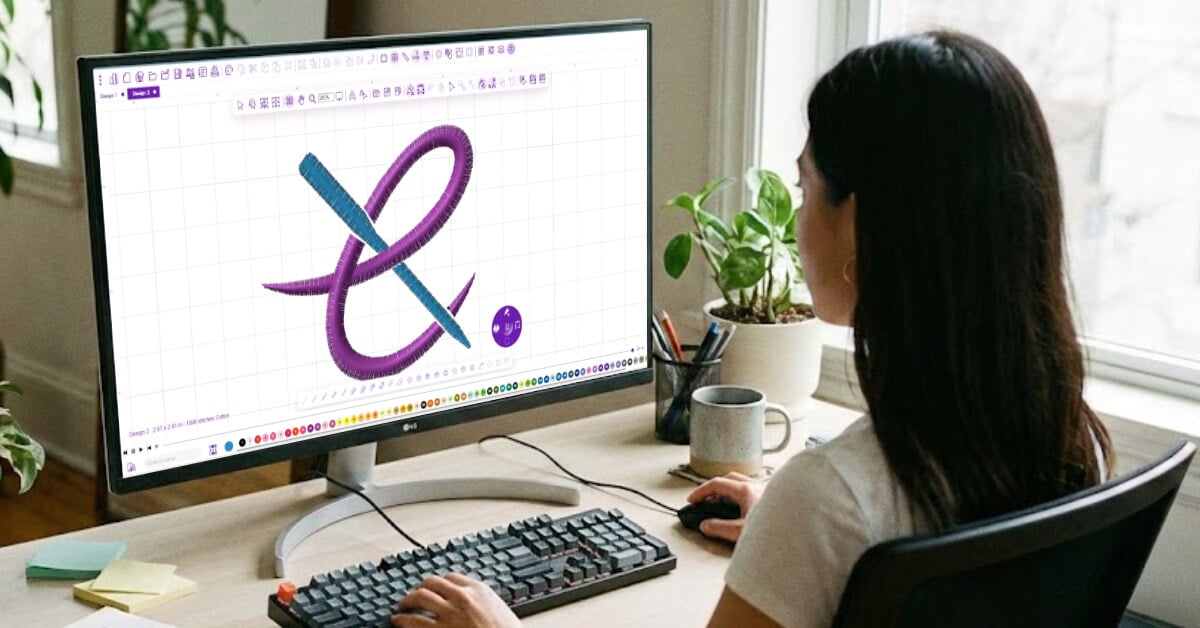
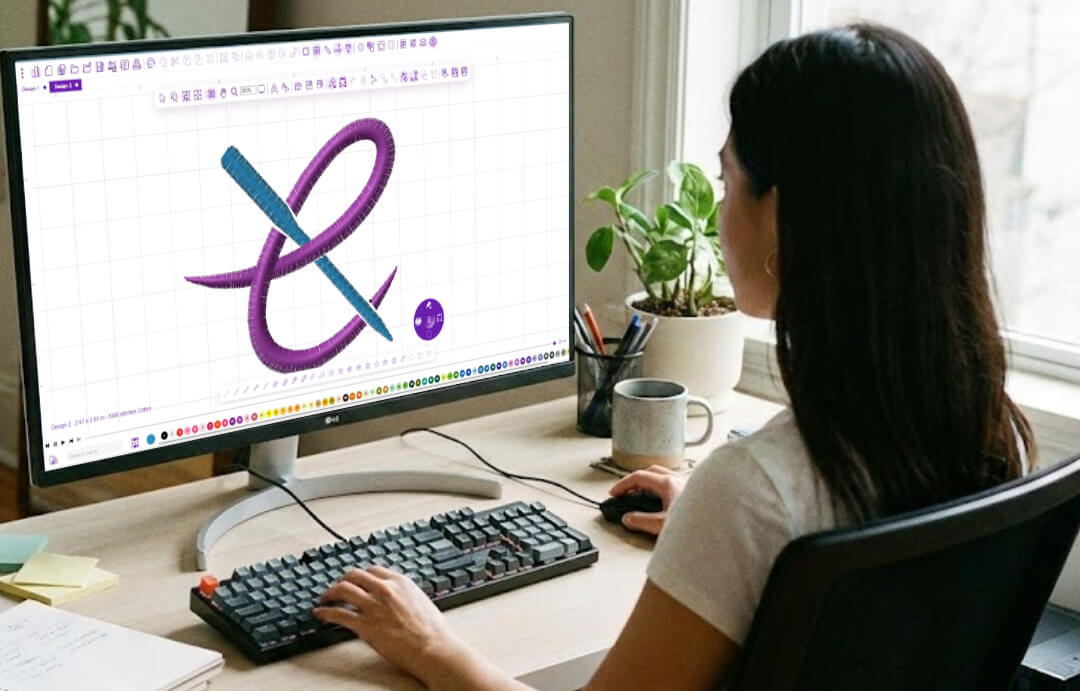
Are you thinking about hiring embroidery digitizing services for your custom embroidery designs? Whether you’re looking to create something special for a loved one, or find someone to help you grow your business, it’s important to know what to consider before you:
- Spend money
- Waste stabilizer
- Blame your machine for a problem it didn’t cause
Choosing the right digitizer is essential. A well-digitized design file will make your embroidery look clean, crisp, and professional, while a poor-quality file can derail your project before you begin.
Embroidery Digitizing Services: How to Find Your Best Fit
Thinking about hiring an embroidery digitizing service and more of a visual learner? In the video below, John breaks down exactly what makes a clean, professional stitch file. From stitch behavior, underlay, and pathing, to fabric compatibility and file quality.
Learn how to spot red flags, avoid costly mistakes, and choose the best embroidery digitizing service for your needs. This guide is ideal for hobbyists, small business owners, and anyone serious about embroidery quality.
What Is Embroidery Digitizing?
Embroidery digitizing is the process of converting artwork into a machine-ready file using specialized embroidery digitizing software.
A digitizer decides:
- Stitch types
- Angles
- Underlay
- Density
- And pathing
So the design stitches smoothly on the chosen fabric. Quality digitizing prevents issues like puckering, distortion, gaps, or those bulky “bulletproof” stitchouts.
And here’s the truth:
Good digitizing isn’t automatic. It takes training, experience, and an understanding of how stitches behave on real fabric. Good digitizing helps your machine run smoothly and produce clean, professional results. Poor digitizing, on the other hand, makes every part of your project harder than it needs to be.
Key Considerations When Looking for an Embroidery Digitizing Service.
Proper embroidery digitizing requires careful planning and execution. The truth is, most embroidery problems don’t start at the machine; they begin with the digitized file.
Many embroiderers end up blaming themselves or their machines when the real issue is hiding in the embroidery files.
Digitizers understand how stitches behave on different materials. They consider all the elements of a good embroidery file before they begin. Creating embroidery digitized designs that stitch right the first time.
Below are key areas where poor digitizing causes the biggest issues.
Common Issues Caused by Poor Digitizing
Puckering: Poor compensation or an incorrect underlay can cause puckering, making your embroidery look uneven and unstable. For more information on how to Stop Puckering, check out our complete puckering guide.
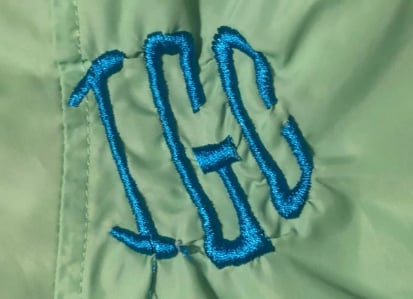
Unnecessary trim cuts or jumps: Too many trims or jumps slow production, waste stitch time, and create extra knots on the back of your design.
Weak or missing underlay: Underlay is the foundation of any embroidery design. Without it, your outlines can shift, fill stitches may pull apart, and details will lose definition. To learn more about embroidery underlay stitches, check out our complete underlay guide.
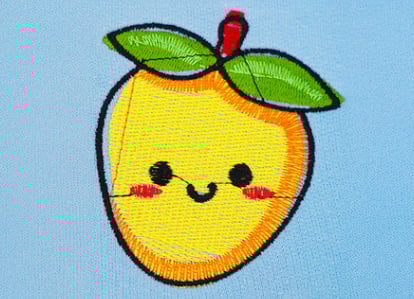
Incorrect or inconsistent stitch direction: Stitch direction affects texture, shading, and how the thread catches the light. Poorly planned stitch angles make designs lose their smoothness and visual appeal.
No push or pull compensation: Without proper push-and-pull compensation, your design can distort, shift, or stretch as it stitches. Want to understand how to prevent distortion in your designs? Check out our complete guide on Push and Pull Compensation for clear examples and practical tips.
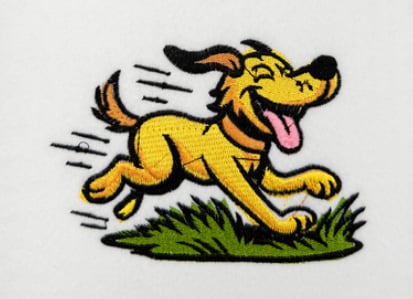
Bloated stitch counts (“bulletproof embroidery”): Layering too many stitches on top of one another creates dense and “bulletproof embroidery designs.”
If you don’t know what causes these problems, you’ll often blame your stabilizer, thread, or even your machine.
What to Look For in an Embroidery Digitizing Service
Not all embroidery digitizing services are created equal. Some have years of production experience. Others rely on shortcuts or auto-digitizing that can ruin your stitchout before you even begin. Here’s what to look for when choosing a digitizer you can trust.
Experience, Credentials & Portfolio
A skilled digitizer understands how embroidery behaves on real fabric. Not just on screen.
When choosing a digitizer, always consider their experience, training, and portfolio. Someone who produces clean, professional files will gladly show examples of their work. Ask questions like:
- How long have you been a production digitizer?
- What types of projects do you specialize in?
- Can they provide examples of designs stitched on different fabrics?
Keep in mind: real expertise comes from hands-on production, not just software knowledge. A digitizer who has operated embroidery machines understands how their decisions affect your results. Digitizers need to see how stitches behave on real fabric before they can create quality embroidery designs.
Consistent Results Across Designs
A digitizer should be able to produce reliable results, not just one lucky stitchout. When reviewing someone’s portfolio, I look for the same quality digitizing every time.
Signs like:
- Smooth stitch direction
- Controlled density
- Clean borders
- Even fill patterns
- Accurate small details
- Stable underlay
- Push-and-Pull Compensation
If their portfolio looks random, that’s a sign they don’t fully understand embroidery theory.
Test Stitchouts & Sample Files
The best digitizers test their work before sending it to you. When a digitizer takes the time to test their files, they’re checking for things like:
- Density, underlay, or pathing adjustment.
- Verify clean edges and consistent pull.
- Ensuring small details are clear and legible.
If they don’t test their files, it will cost you time, thread, stabilizer, and potentially your reputation.
Access to Edits or Revisions
Even great files sometimes need minor adjustments. That’s why a reliable digitizing service should have a clear editing policy. Before you hire someone, make sure you understand things like:
- How to request a revision.
- Estimated time of completion.
- Types of edits included?
- Are there additional charges for adjustments?
Waiting on basic edits can stall your production and reduce efficiency. Quick, accurate edits are a sign of a well-run digitizing service.
Pricing Transparency & Supported File Formats
Transparent pricing prevents surprises and ensures you get what you need.
A good digitizing service will provide things like:
- A clear list of standard pricing upfront.
- An explanation of what affects cost (design complexity, size, stitch count).
- Provide the file formats your machine uses
- Optimized native files for the best stitch quality.
If pricing seems overly complicated, that’s a sign the digitizer is skipping steps or relying on automation.
Design Complexity Capabilities (Small Text, Detail, etc.)
In my experience, complex artwork is what truly separates the best digitizing services from amateurs.
You should ask to see examples of:
- Small lettering
- Fine outline work
- Designs on textured fabrics
- Shading or gradient effects
- Logos with tight spacing
If they struggle to digitize these elements, they may not be the right fit for professional resu
Red Flags When Choosing the Best Embroidery Digitizing Service
Not all digitizing services are created equal, and some can cause more harm than good. If you notice any of these warning signs, consider it a red flag:
- Poor communication
- No revisions offered
- Lack of pricing transparency
- Unrealistic turnaround times
- No portfolio or sample stitchouts
A reliable digitizer won’t shy away from questions. They will give you a clear, realistic understanding of what your artwork can—and cannot—become when stitched.
Auto Digitizing Embroidery Software vs Professional Embroidery Digitizing
Auto-digitizing embroidery software may seem like an easy shortcut, but embroidery isn’t a push-button process. Only a trained digitizer can tailor an embroidery file to ensure your design stitches out the way you expect.
Here’s how the two approaches compare:
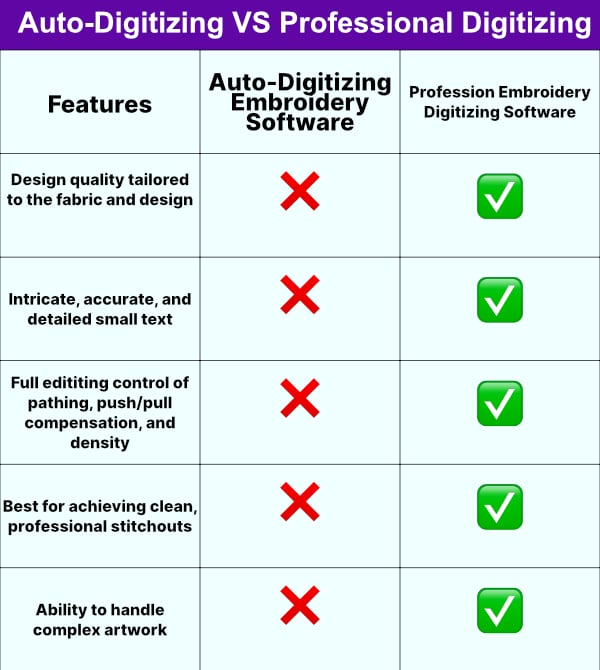
| Features | Auto-Digitizing Embroidery Software | Professional Embroidery Digitizing Software |
|---|---|---|
| Design quality tailored to the fabric and design | ✖ | ✅ |
| Intricate, accurate, and detailed small text | ✖ | ✅ |
| Full editing control of pathing, push/pull compensation, and density | ✖ | ✅ |
| Best for achieving clean, professional stitchouts | ✖ | ✅ |
| Ability to handle complex artwork | ✖ | ✅ |
Auto-digitizing may work for simple shapes, but for clean results, nothing replaces the knowledge of a trained digitizer.
Should You Hire Embroidery Digitizing Services or Learn to Digitize Yourself?
If you need a one-off design or don’t have time to learn digitizing, hiring a digitizing service is often the easiest choice.
But if you’re any of the following:
- Embroidery enthusiast
- Hobbyist
- Small business owner
Then learning to digitize yourself can be one of the most valuable skills you’ll ever pick up. Modern embroidery digitizing software makes learning digitizing easier than ever before. And when you understand the basics, you’ll be able to judge whether a file is high quality quickly.
Recommended Embroidery Digitizing Services
We’ve put together a curated list of embroidery digitizing companies our team and community recommend most often, including specialists in hats, small lettering, applique, puff embroidery, patches, and more.
Inside the guide, members can also leave comments, share their experiences, and discuss which digitizers they’ve had the best results with.
👉 Join our Facebook group to access the digitizing services guide and community recommendations
How Much Do Embroidery Digitizing Services Cost?
Digitizing prices can vary depending on the size, detail, and complexity of your design. A simple logo will cost less than a detailed full-back design. Every adjustment a digitizer makes — density, pathing, underlay — takes time, skill, and affects the overall price.
Understanding how pricing works helps you quote jobs accurately and protect your profit margins.
Common Factors That Affect Digitizing Cost
- Size of the design
- Level of detail
- Stitch count
- Number of thread color changes
- Fabric type the design is intended for
- Required turnaround time
Digitizing involves far more than simply generating stitches. When done well, it ensures your embroidery runs smoothly and looks clean the first time.
Frequently Asked Questions
What is the average turnaround time for embroidery digitizing?
Most professional embroidery digitizing services complete standard designs within 2 to 24 hours. Simple designs like left chest logos are often delivered in as little as 2 to 4 hours, while more complex artwork, such as jacket backs or detailed artwork, may take longer. Rush services are available from most providers for an additional fee if you need a file quickly for production.
What file formats do embroidery digitizing services provide?
Most services deliver files in all major machine formats, including DST, PES, JEF, EXP, XXX, HUS, and VP3. Always confirm your machine brand and model before ordering so the digitizer can provide the correct format. Some machines perform best with their native file format rather than a converted one, so it’s worth asking your digitizer what they recommend for your specific setup.
Can I request revisions if my design doesn’t stitch correctly?
Yes, reputable digitizing services include free revisions as part of their standard offering. Before hiring anyone, confirm their revision policy. Specifically, how many edits are included, what counts as a minor versus a major change, and what the turnaround time is for revisions. A service that charges for basic corrections or is slow to respond to edit requests is a red flag worth taking seriously.
How do I send my artwork to a digitizing service?
Most services accept artwork through an online upload portal, email, or order form on their website. For best results, send the highest resolution version of your artwork available. Vector files such as AI, EPS, or PDF are ideal. JPG or PNG files are also accepted by most services, though higher resolution gives the digitizer more to work with. Avoid sending small or heavily compressed images, as these can limit the accuracy of the final file.
Is embroidery digitizing a one-time cost, or do I pay per use?
Embroidery digitizing is typically a one-time cost per design. Once you receive your file, you own it and can stitch it as many times as you like on any compatible machine. You only pay again if you need a new design created, a significant size change, or a major edit that goes beyond the included revisions. This makes professional digitizing a worthwhile investment for any design you plan to use repeatedly.
What artwork formats work best for digitizing?
Vector files are the gold standard for digitizing. Formats like AI, EPS, CDR, and PDF give the digitizer clean, scalable lines to work from and tend to produce the most accurate results. If you don’t have a vector file, a high-resolution JPG or PNG at 300 DPI or higher is the next best option. Avoid sending logos pulled from websites, as these are typically low resolution and can result in a less accurate stitch file.
Can a digitizing service convert a photo into an embroidery design?
Yes, but with some important caveats. Embroidery is not a photorealistic medium. A skilled digitizer can interpret a photo and create a stylized embroidery design that captures the essence of the image, but fine gradients, subtle shadows, and photographic detail do not translate directly into stitches. The cleaner and simpler the image, the better the result. Highly detailed or busy photos will need to be simplified during the digitizing process, and a good digitizer will advise you on what is and isn’t achievable before they begin.
Conclusion: Learn the Basics and Confidently Choose the Best Embroidery Digitizing Service
Choosing the right embroidery digitizing services can save you hours of frustration and help you produce clean, professional results.
When you understand the basics of digitizing, you’ll know exactly what to look for in a digitizer and what red flags to avoid.If you’re ready to take control of your embroidery results, start with the Free Digitizing 101 Course. Think about it this way: if you had a business, you wouldn’t hire a cashier without understanding basic math, right? You wouldn’t be able to tell if their work “adds up”. The same rule applies to digitizing! Learn the theory behind creating designs to evaluate digitizers with confidence.





John,
I hope all is well and I have sincerely enjoyed following your work! I have finally got my Machine and am ready to dive in. Any advice? I’m looking to start my own line of shirts and am currently looking for a top notch digitizer. Would love for it to be someone willing to teach along they.
First of all, congrats on your new machine! I would suggest starting off with our free beginner series on Youtube. You can find it here https://www.youtube.com/playlist?list=PLa-zHiRgIxqOF7ISImhBRJffGpVAtkDnf
This is an amazing article about embroidery
Thanks Warner!
My brother-in-law (90) was in the Korean War, and has lost his unit patch. I have a picture of it and would love to replace it for him. I’m wondering what the price would be. Please advise.
Hi Jan, how thoughtful! However, we don’t offer custom digitizing, instead we offer education to learn how to digitize yourself. We do offer a few tips when it comes to looking for an artist listed in this blog, hope it helps 🙂
Indepth Details. Yes the turnaround times have drastically changed now. Even 1 to 2 hours and you get your digitized designs back.
Thanks Alex & good point! Times certainly have changed.
Thank you so much, this is an awesome article.
My pleasure Suzan, glad you enjoyed!