

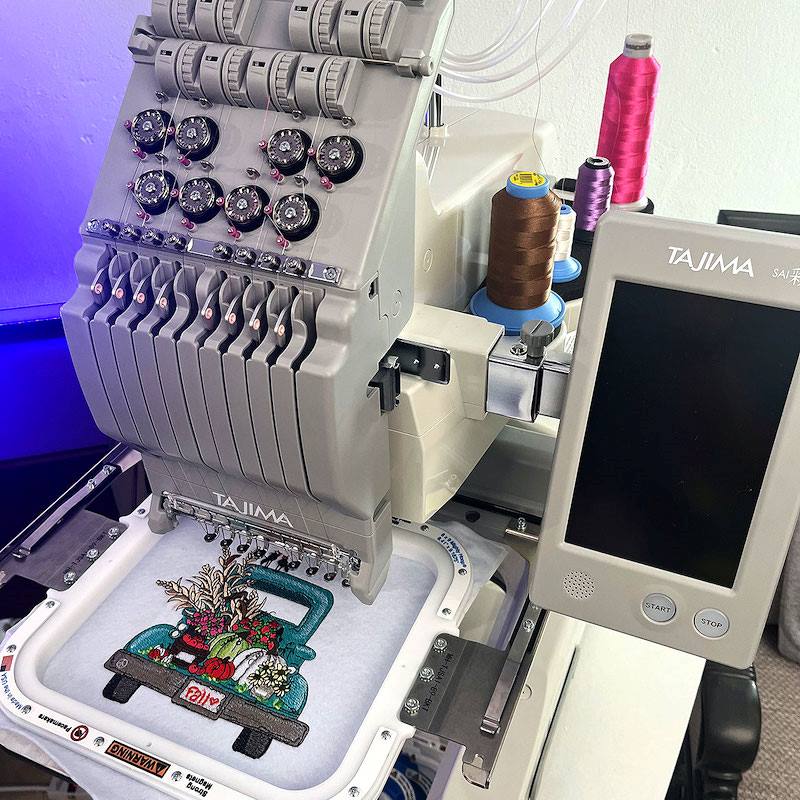
Many people starting an embroidery business or upgrading their machine often ask, “Which embroidery machine is the best?”
When choosing which embroidery machine is right for you, you must first consider several factors:- The advantages of a multi-needle over a single needle machine.
- Do you plan on using the machine for a home business or hobby?
- What do you plan on embroidering?
- What is the difference between home & commercial brands?
- Our recommended embroidery machine.
Before deciding which embroidery machine to buy, think about what you want to create today and where you want your embroidery journey to take you in the future. Choosing a machine that matches both your current needs and future goals will help you get the most value from your investment.
What Is an Embroidery Machine?
An embroidery machine is a specialized machine that stitches digital embroidery design files onto fabric. Unlike a standard sewing machine, it can create logos, monograms, lettering, and decorative embroidery automatically. It works fast and delivers precise stitches with consistent quality.
Today’s embroidery machines range from compact home models for hobbyists to commercial machines for continuous production. While every embroidery machine serves the same purpose, they’re designed for different workloads, project types, and skill levels.
Why Choosing the Right Embroidery Machine Matters
Choosing an embroidery machine isn’t just about features or price. It’s about selecting a machine that matches your embroidery goals today and gives you room to grow.
The right machine helps you produce better embroidery, work more efficiently, and tackle a wider range of projects. The wrong one can slow you down and limit what you can create.
One of the biggest lessons I’ve learned is that the machine and the design work together. Even the best embroidery digitizing can only produce great results when paired with a machine that stitches accurately and consistently. That’s why understanding the differences between machine types is so important.
If you’re new to machine embroidery, our Free Embroidery Course will teach you the fundamentals and help you get the best results from your machine.
Single Needle Vs Multi Needle Embroidery Machines
Are you wondering what the difference is? Both machines are computerized for embroidery. They have touch screens and automatic thread cutters. They also have USB ports for designs and fonts, along with other standard features.
However, single-needle machines have one needle with a flatbed under it, while multi-needle machines have 6 to 18 needles and tubular arms to stitch on.
Single-needle embroidery machines are a good choice for beginners or those unsure about machine embroidery. They are cost-effective and easy to use. However, multi-needle machines are the best option in the long run, giving you the ability to create more diverse projects and get the best results.
Choosing between a single-needle and multi-needle embroidery machine depends on your goals, budget, and the types of projects you want to create. While both produce beautiful embroidery, they differ in speed, workflow, and the projects they’re best suited for. Use the comparison below to help determine which machine is the right fit for you.
| Feature | Single-Needle Machine | Multi-Needle Machine |
|---|---|---|
| Number of Needles | 1 needle | 6–18 needles |
| Best For | Beginners, hobbyists, occasional embroidery | Home businesses, growing businesses, high-volume embroidery |
| Color Changes | Manual thread change | Automatic color changes |
| Embroidery Speed | Slower | Faster, especially on larger designs |
| Machine Type | Flatbed | Tubular arm |
| Projects | Flat items, towels, quilts, small projects | Hats, shirts, jackets, sleeves, pockets, socks, bags, and more |
| Tubular Items | More difficult and requires extra preparation | Designed for tubular items |
| Productivity | Requires more operator attention | Runs continuously while you work on other tasks |
| Versatility | Some models also sew | Designed exclusively for machine embroidery |
| Long-Term Growth | Best for learning and casual use | Ideal for expanding your skills or business |
Regardless of which machine you choose, pairing it with user-friendly embroidery software will help you get the most out of your embroidery projects as your skills grow.
Limitations of Single Needle Embroidery Machines:
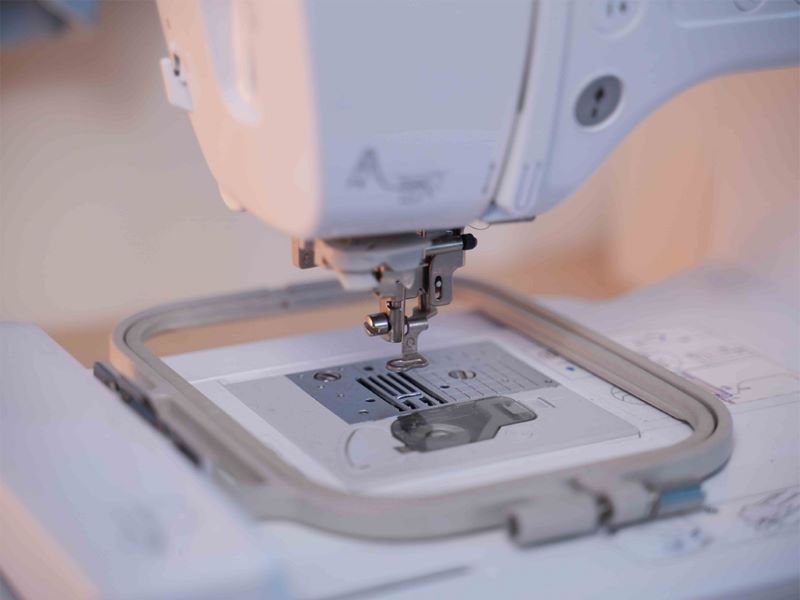
- Single needle machines are not meant for commercial use. They work on a flat surface, which makes it hard to embroider items like shirts or socks that are tubular in shape.
- When using a flatbed machine to embroider on sweatshirts you must turn them inside out and keep an eye on the embroidery area to avoid making mistakes.
- They have slower speeds and use rectangular hoops, which can affect registration and embroidery quality.
- These machines can only run one color at a time, requiring frequent stops for color changes, which reduces productivity.
The Advantages of Multi Needle Embroidery Machines
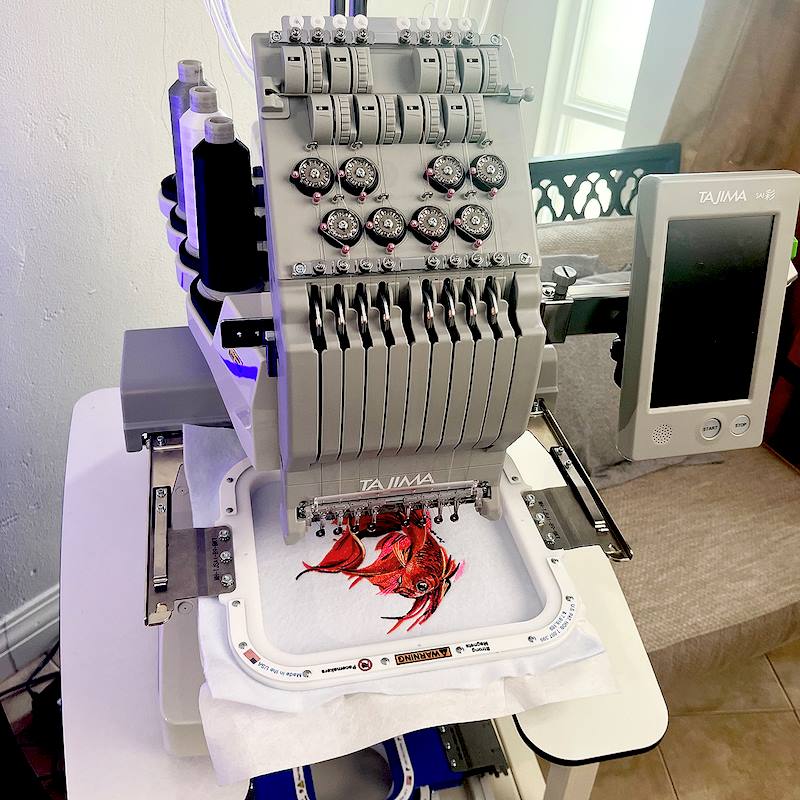
- Multi-needle machines have 6 to 18 needles, allowing for automatic color changes and continuous operation.
- They run at higher speeds on heavier items and are more suitable for tubular items due to the tubular arm and rotary hook bobbin case.
- These machines allow you to embroider on a wide range of projects like caps, onesies, pockets, and socks.
- You can load the design, select the colors, start the machine, and walk away, freeing up time for other tasks or to grow your business.
Do you Plan on Embroidering for Business or Hobby Purposes? This will Determine your Attachments.
Keep in mind that the use cases for both are different. Embroiderers who plan to use their machines for business will run them a lot more often and must prioritize saving time and being efficient. Those who plan to use their machines as a hobby will want to prioritize ease of use and the fun factor.
The most important reason you want to ask this question though is to determine what you plan on embroidering on, and whether you’ll need special machine attachments to do so.
As a hobbyist, it’s straightforward. Think about what types of embroidery projects you want to create, and choose a machine that will allow you. If you plan on embroidering pockets, make sure there is a pocket attachment.
If you’re starting or run a home embroidery business, ask yourself these questions and answer them carefully before choosing an embroidery machine that fits your budget:
- Who is my target market?
- What items/garments do they want to embroider?
- What hoop size and attachments will I need
To keep expenses low, avoid high-end bells and whistle features meant for hobbyists, as they are often unnecessary for business purposes. In my commercial embroidery factories, we produced over 10 million pieces of embroidered goods annually without these extras. Focus on essential attachments and max hoop size, like a cap attachment for hats or a large hoop for sweaters or jacket backs.
Home Vs Commercial Embroidery Machine Brands
Home Embroidery Machine Brands
To clarify, home brands like Brother, Janome, Bernina, Viking, and Babylock make good embroidery machines. These are some examples of popular brands that produce quality machines for home use. Home brands often cater to hobbyists and therefore often include many neat built-in bells and whistles.
Typically, home brands are more expensive because stores primarily sell them through dealer networks. However, they provide strong local support. That said, the main reason you may want to consider a home brand is if you think you’ll need lots of one-on-one assistance.
Thinking of purchasing a used home machine? Buyer beware! You might be buying someone else’s problems. For local transactions, request to have the machine inspected by a local technician. If the seller has nothing to hide, they should have no problem with this. Purchasing a used machine from a dealer is usually a safer way to go, and you can find yourself a great deal. Many of the machines they sell are “last year’s model”.
Commercial Embroidery Machine Brands
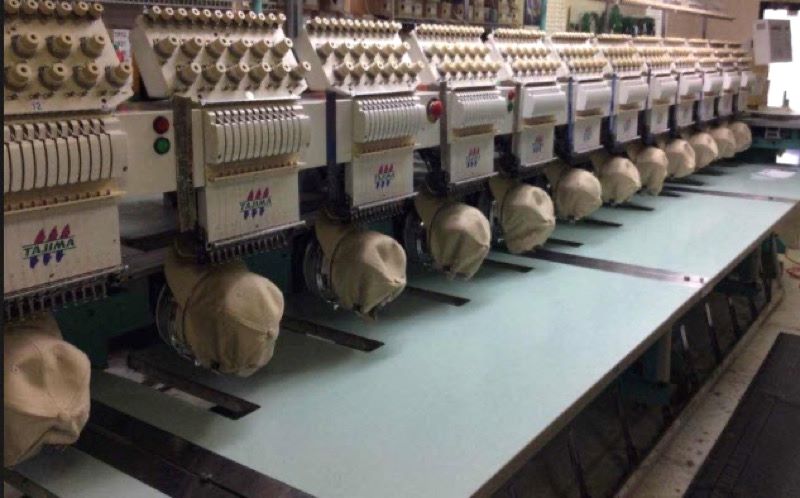
From running a commercial multi-head embroidery company in the early 1980s, I’ve seen many multi-needle manufacturers come and go along with machine quality in general improve significantly. Years ago, I would only consider top commercial brands like Tajima, Barudan, and ZSK. These brands are still highly respected and worth the investment for their reliability, quality, and resale value.
Previously, most “offshore” machines had poor reputations, but quality has improved across the industry. However, cheaper emerging commercial brands often have additional hurdles, such as temperamental tension systems requiring much more adjustments and expertise.
While the lower price of these machines, sometimes under $8,000 USD, can be appealing, I wouldn’t recommend them for those without extensive embroidery experience.
Our Embroidery Machine Recommendation: Tajima SAI
The Tajima SAI embroidery machine is an excellent choice for both beginners and experienced embroiderers. Its compact design and user-friendly interface make it ideal for small spaces while delivering professional-quality results. With its advanced technology, the SAI offers precise stitching and a wide range of features, including ease to gauge tension ensuring your projects are completed efficiently and beautifully. The SAI also has tons of optional attachments, allowing you to grow with your machine over time.
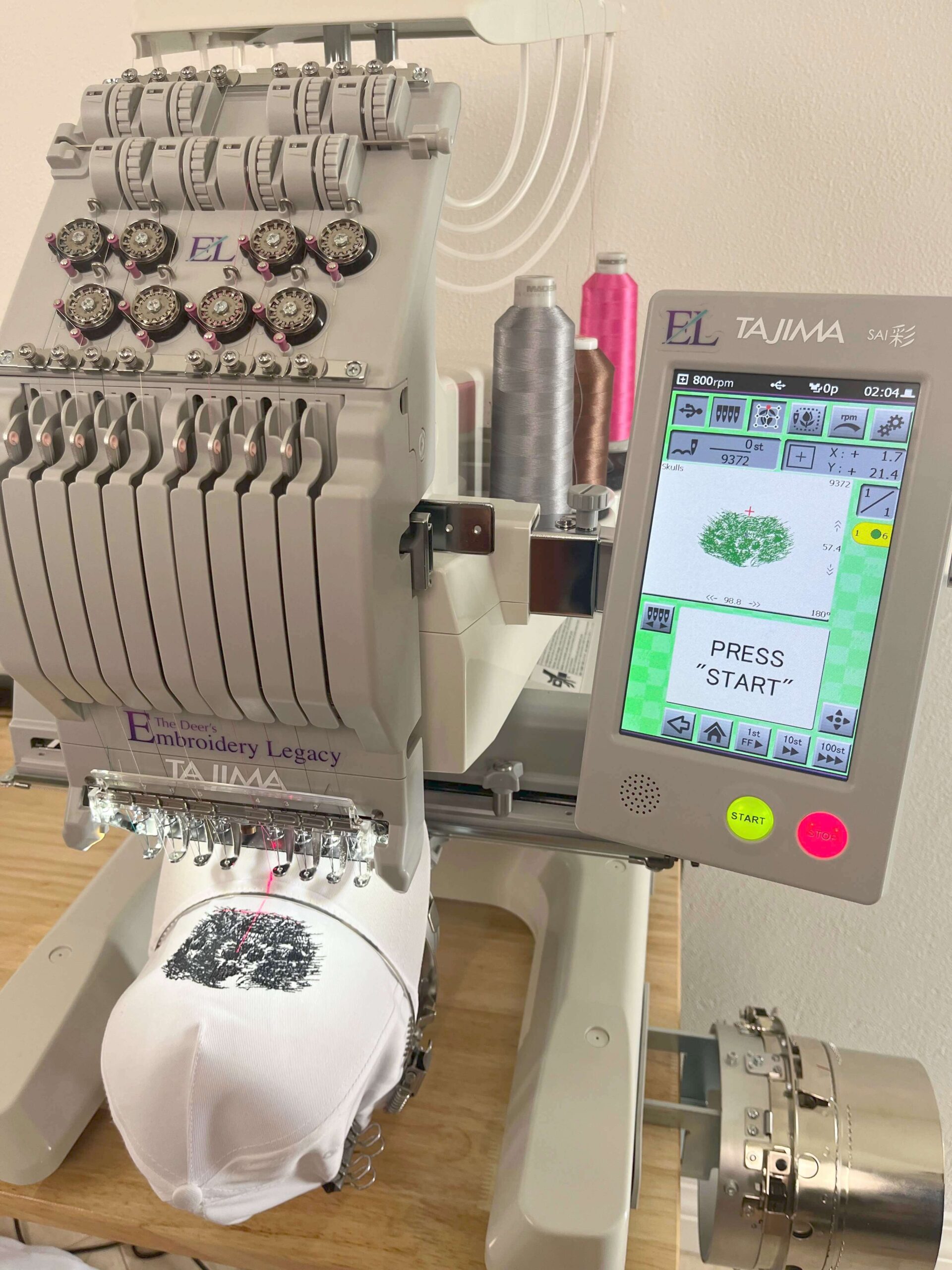
Explore everything the Tajima SAI has to offer. Plus, start your journey through us as an official partner to get exclusive bonuses.
Conclusion: What is the Best Embroidery Machine for You?
The answer to this question depends on several factors. But overall, if you’re primarily focused on embroidery (not sewing or quilting), I’d strongly recommend a multi-needle machine. The tubular arm and various attachments make it easy to embroider on different types of garments. Just set it up and let it do the work.
Consider what you want to embroider and what your purposes are for the machine (hobby or business) before investing. This will help you ensure the machine you buy has the attachments for what you’d like to create.
The choice of machine brand depends on your support needs and budget. Home brands, though expensive because of dealer networks, often include in person training.
Commercial brands do not have as many bells and whistles, but they are designed for long-lasting use. This helps you make more money over time and maintain a high resale value. Overall, remember you often get what you pay for.
Looking for our recommendation? Discover the benefits of the affordable Tajima SAI, including top-notch embroidered results and exclusive partner bonuses.
Frequently Asked Questions
How do I choose the right embroidery machine?
Start by thinking about what you want to embroider and how often you’ll use the machine.Hobbyists typically have different needs than embroidery businesses, so choose a machine that supports your current projects while giving you room to grow.
What is the difference between a single-needle and multi-needle embroidery machine?
A single-needle embroidery machine stitches one thread color at a time, requiring manual color changes throughout a design. A multi-needle embroidery machine has multiple threaded needles and automatically changes colors, making it faster and more efficient for larger or more detailed embroidery projects.
Which embroidery machine is best for beginners?
For most beginners, a home embroidery machine or single-needle embroidery machine is an excellent choice. They’re easy to use, affordable, and provide everything needed to learn the fundamentals of machine embroidery before upgrading to commercial equipment.
How do I maintain my embroidery machine?
Regular maintenance includes cleaning lint, replacing needles, using quality thread, and following the manufacturer’s recommended servicing schedule. Proper maintenance improves stitch quality, reduces unexpected downtime, and helps extend the life of your machine.
For a complete step-by-step guide, read our Embroidery Machine Maintenance Guide.
How long should an embroidery machine last?
A well-maintained embroidery machine can last for many years. The lifespan depends on how often it’s used, the quality of the machine, and whether it’s cleaned and serviced regularly. Commercial machines are designed to withstand heavier production workloads than most home machines.
When should I upgrade my embroidery machine?
Consider upgrading if your current machine no longer supports the projects you want to create, you’re spending too much time changing thread colors, you need larger embroidery fields, or your business has grown beyond your machine’s capabilities.
Are commercial embroidery machines better than home embroidery machines?
Not necessarily, they’re designed for different purposes. Home embroidery machines are ideal for hobbyists and occasional embroidery, while commercial embroidery machines are built for speed, durability, and continuous production. The best choice depends on your embroidery goals, workload, and budget.


May I have some samples which cost is below 50000ks
Hi Grace, when looking for a machine look for a distributor and the surface they provide in your area. Your budget and support of your machine is equally as important as the other.
Hi John
I am looking for 6 needle 3 head embroidery machine for Dubai
Hi Mohamed, sorry unfortunately I’m not familiar with any machines suppliers in Dubai